So we begin now—with the way they observe, question, create, collaborate and care.
THE 2045 BRIDGE
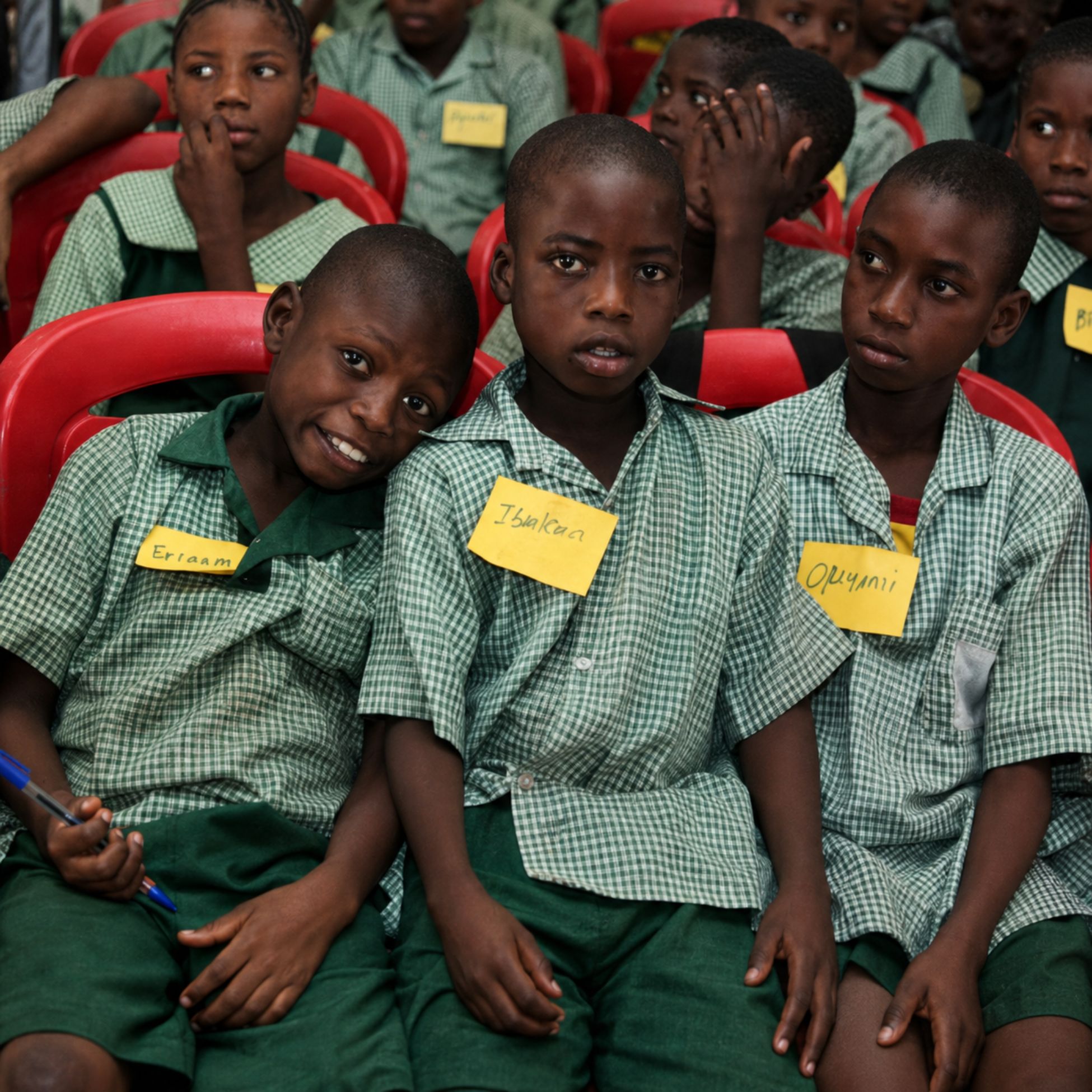
The children we teach today will be the adults making tomorrow’s decisions.
A child who is 5–12 in 2026 will be 24–31 in 2045—entering leadership, enterprise, family life, public service, technology, culture and the work of rebuilding communities.
2026
AGES 5–12
→
2045
AGES 24–31
Preparation is not a future event. It is what we practise with them now.
WHAT PARENTS ARE ALREADY NOTICING
Bright children can still be unprepared for the world they are entering.
01
Their attention is constantly being pulled.
Screens, trends and noise can make sustained curiosity and thoughtful observation feel difficult.
02
They know facts but struggle to apply them.
Memorising an answer is not the same as using knowledge to examine and solve a real problem.
03
They are unsure of their strengths and purpose.
Without guided discovery, career choices can become guesses shaped by pressure rather than conviction.
04
Their choices can feel disconnected from other people.
Children need practice seeing how waste, words and everyday decisions affect a whole community.
SCIENCECREATIVITYMUSICSERVICETHE CHILD
THE FURST SPARK RESPONSE
We create experiences that help children learn how to think—not only what to remember.
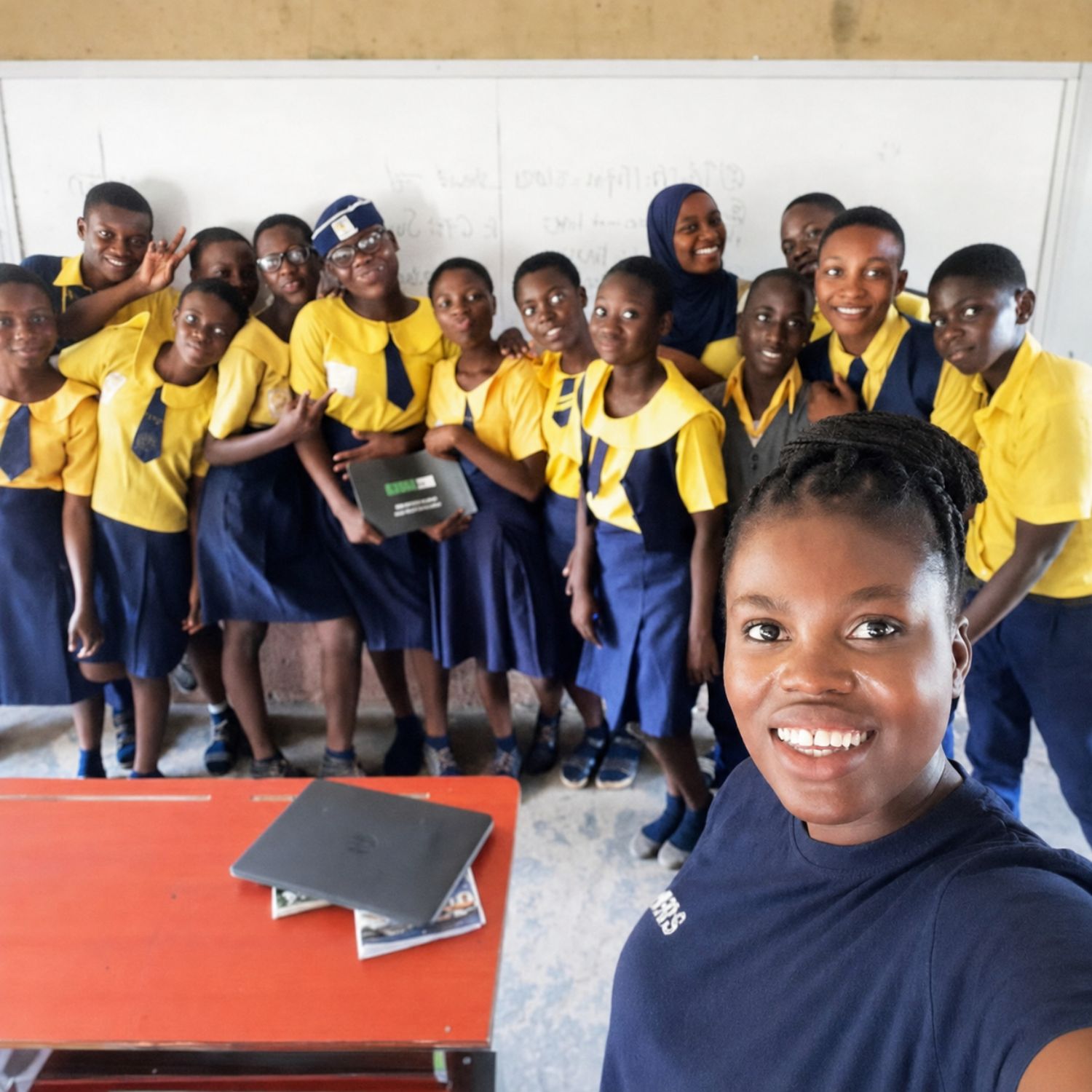
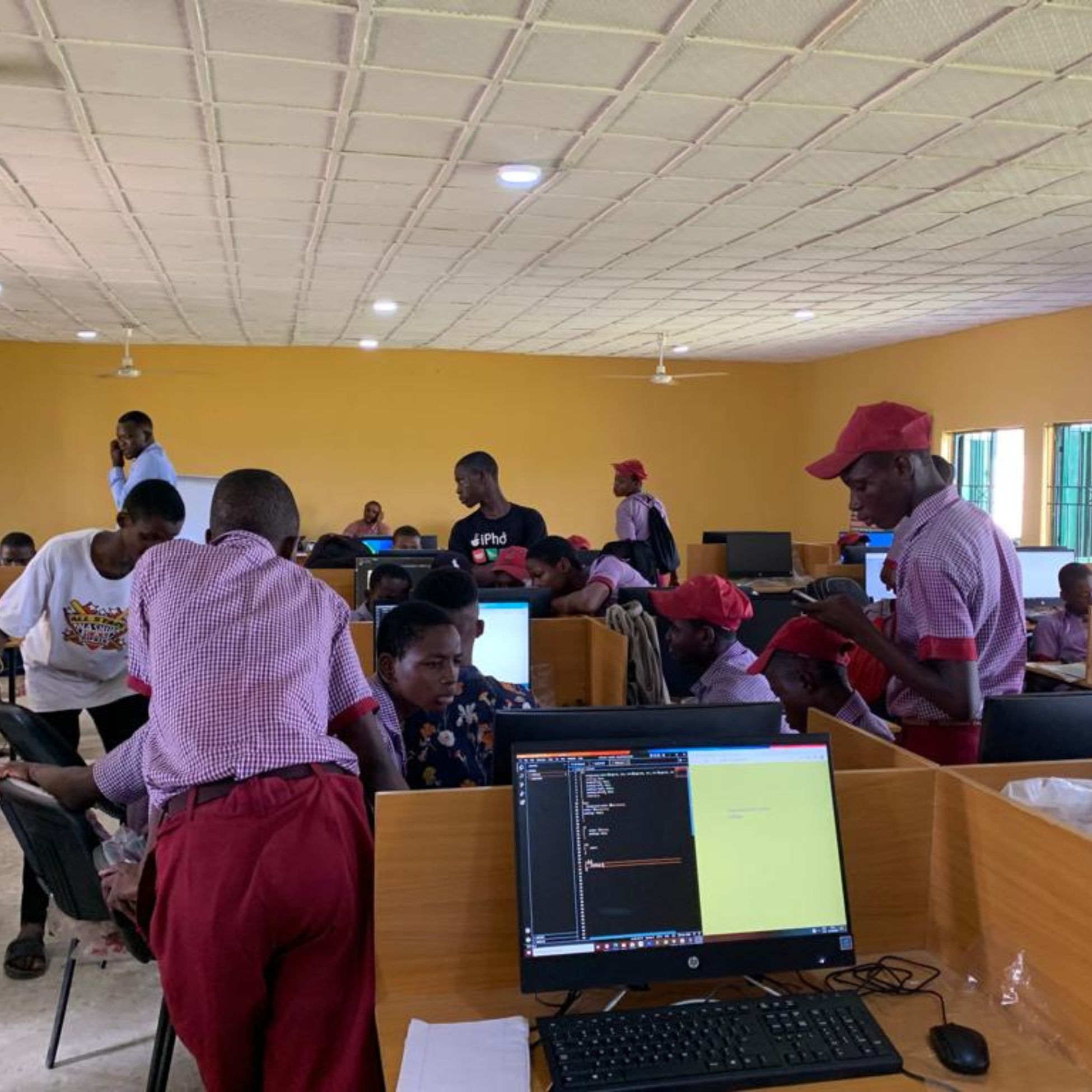
Furst Spark Academy brings learning close to life: children encounter nature, practical science, creativity, music, teamwork, purpose and community problems they can understand and act upon.
HOW LEARNING MOVES
Six habits for a future-ready child.
Observe
Look closely before assuming.
Question
Ask what, why and what if.
Create
Turn ideas into something testable.
Collaborate
Think with other people.
Communicate
Explain ideas with clarity.
Serve
Use learning to improve life.
WHERE THE WORK HAPPENS
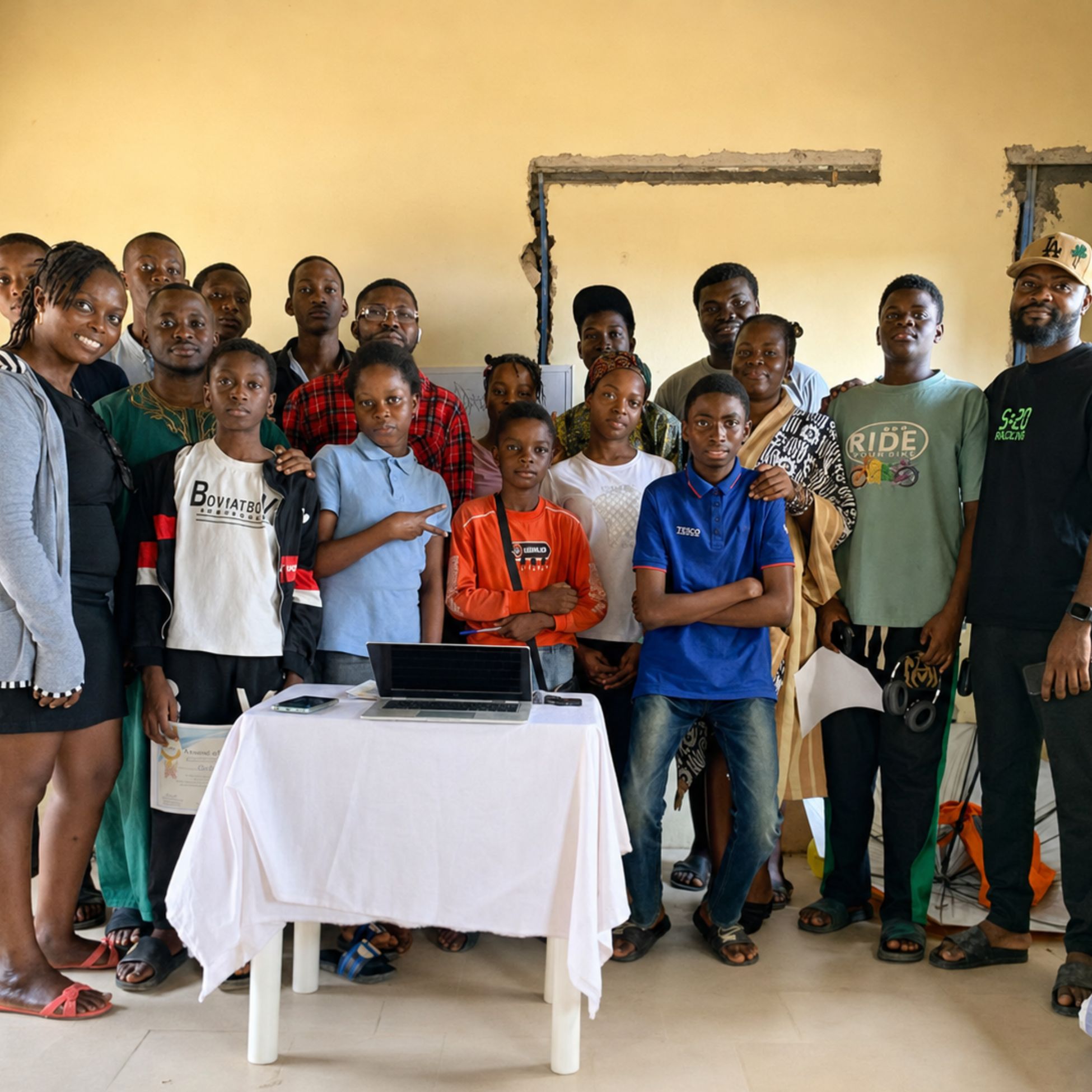
Different spaces. One commitment: prepare the whole child.
AGES 5–12 · ACADEMY PROGRAMME
The Weekend School
Outdoor and practical learning through nature, science, creativity, creative problem-solving and music.